
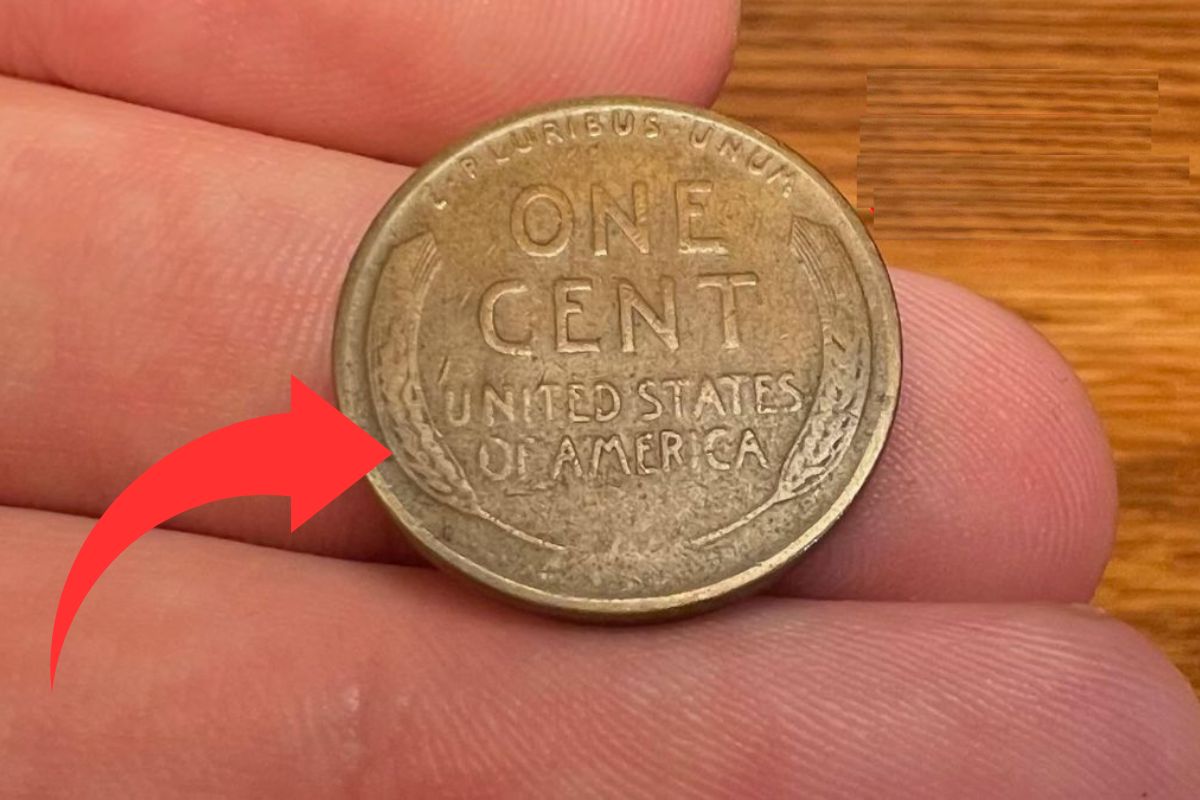
The Lincoln Wheat Penny, first minted in 1909, holds a significant place in American coin history. While most of these pennies are worth their face value, a few rare versions have become some of the most sought-after coins by collectors. One particular variant has recently gained attention for being valued at a jaw-dropping $100 million, making it one of the rarest coins in circulation today. Let’s take a closer look at why this humble penny has such incredible worth.
What Is the Lincoln Wheat Penny?
The Lincoln Wheat Penny was minted from 1909 to 1958 and is recognized by its design featuring Abraham Lincoln on the front (obverse) and two wheat stalks on the back (reverse). These pennies were produced by the U.S. Mint to celebrate the 100th anniversary of Lincoln’s birth. Their simple yet iconic design has made them a favorite among collectors for decades.
Why Are Some Wheat Pennies Worth a Fortune?
Most Lincoln Wheat Pennies are worth only a few cents or, at most, a few dollars in collector markets. However, rare varieties or error coins can fetch incredible prices due to their scarcity and historical significance. Several factors contribute to a penny’s value:
1. Minting Errors
Some of the most valuable pennies were produced with errors during the minting process. For example, double-struck coins, off-center strikes, and coins with doubled dies are highly prized by collectors.
2. Metal Composition Changes
During World War II, in 1943, the U.S. Mint switched from copper to steel due to wartime resource shortages. A few pennies were mistakenly minted with copper that year, making them extremely rare and valuable.
3. Limited Edition Pennies
Pennies from certain years and mints, especially those with small production numbers, can be worth thousands of dollars. For example, the 1909-S VDB Wheat Penny is one of the most famous among collectors.
The $100 Million Penny: What Makes It Special?
The Lincoln Wheat Penny that’s valued at $100 million is not just any ordinary coin—it’s considered priceless due to its unique features. Reports suggest that this particular penny could be tied to an ultra-rare prototype or a highly unique error coin from a special minting period. Although its exact details remain largely undisclosed, its astronomical value is driven by a combination of rarity, condition, and collector demand.
Additionally, its high-grade preservation is another key factor. Coins that remain in near-perfect condition despite being decades old are far more valuable than worn-out versions.
Are There Still Valuable Pennies in Circulation Today?
Yes! Many rare Lincoln Wheat Pennies are still in circulation, often going unnoticed by the general public. While finding a $100 million penny is extremely rare, it’s still possible to come across valuable pennies that could be worth hundreds or even thousands of dollars.
Here are a few key dates to look for:
- 1909-S VDB Penny
- 1914-D Penny
- 1922 No D Penny
- 1943 Copper Penny
- 1955 Double Die Penny
If you happen to spot one of these, it’s worth having it evaluated by a professional coin appraiser.
How to Check If You Have a Valuable Wheat Penny
You don’t need to be a professional collector to check your pennies. Follow these simple steps to identify potentially valuable ones:
- Check the Mint Date: The mint date on the coin can quickly indicate its rarity.
- Inspect for Errors: Look for any visible flaws, such as doubling on the letters or numbers.
- Use Online Resources: Websites and collector forums can help you identify rare varieties.
- Get a Professional Appraisal: If you think your penny is special, have it inspected by a certified appraiser.
The idea of a single penny being worth $100 million might sound like a fantasy, but it highlights the fascinating world of coin collecting. With minting errors, limited editions, and historical significance driving the value of rare coins, it’s possible to find a valuable penny in your spare change.
So, before tossing your coins into a jar, give them a second look—you could be holding a small fortune in your hands.